A Breeder's Honest Guide
What Do Valais Blacknose Sheep Cost?
There's no single sticker price — value follows generation, markings, and purpose. Here's how pricing really works, from the breeders at Cloud Cap Valais.
Why the Range Is So Wide
Rare Genetics, Years in the Making
Valais Blacknose are rare outside Switzerland. In North America, true-to-type animals are built through a patient, multi-year breeding-up program using imported fullblood genetics — each generation a deliberate step closer to the Swiss standard. That scarcity, plus the surge in demand since the breed's television fame, is why a companion wether and a breeding-quality F5 ewe can sit at opposite ends of a wide price range.
A fair price reflects what's behind the animal: health testing, careful pairings, daily handling, and a breeder who will still answer the phone years after the sale.
What Drives Price
Three Factors That Matter Most
Generation (F1–F5 & Fullblood)
Each breeding-up generation carries a higher percentage of Valais Blacknose genetics. An F1 (roughly 50%) is priced very differently from an F5 (nearly 97%) or a fullblood — the closer to true-to-type, the higher the value.
Quality & Markings
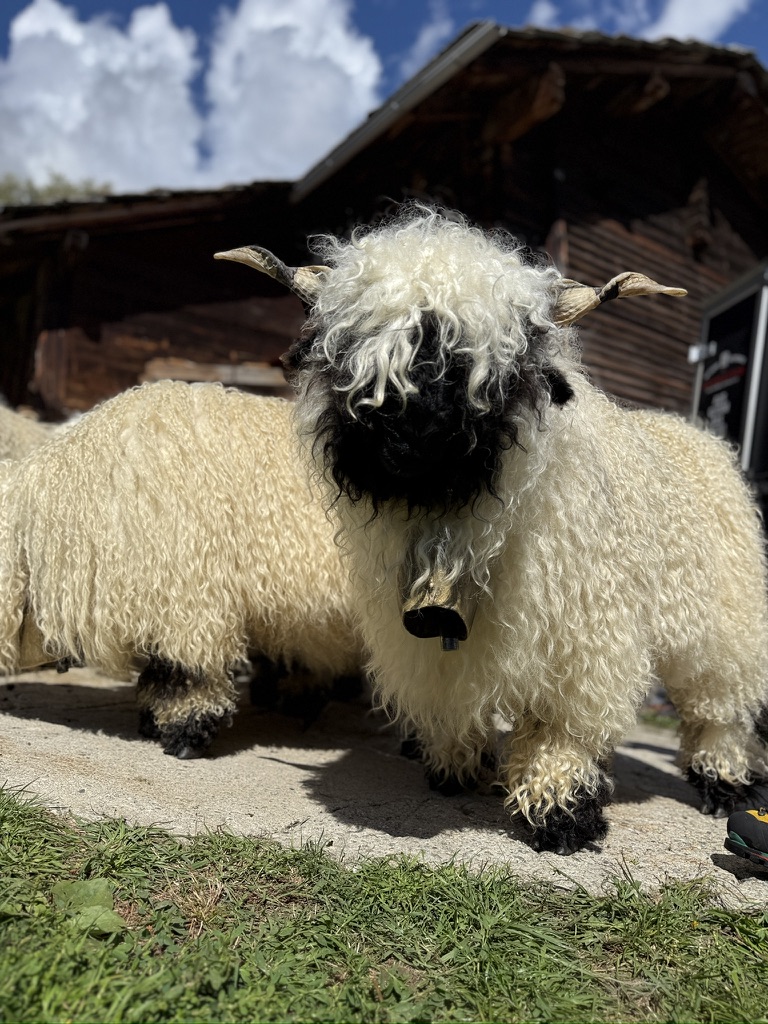
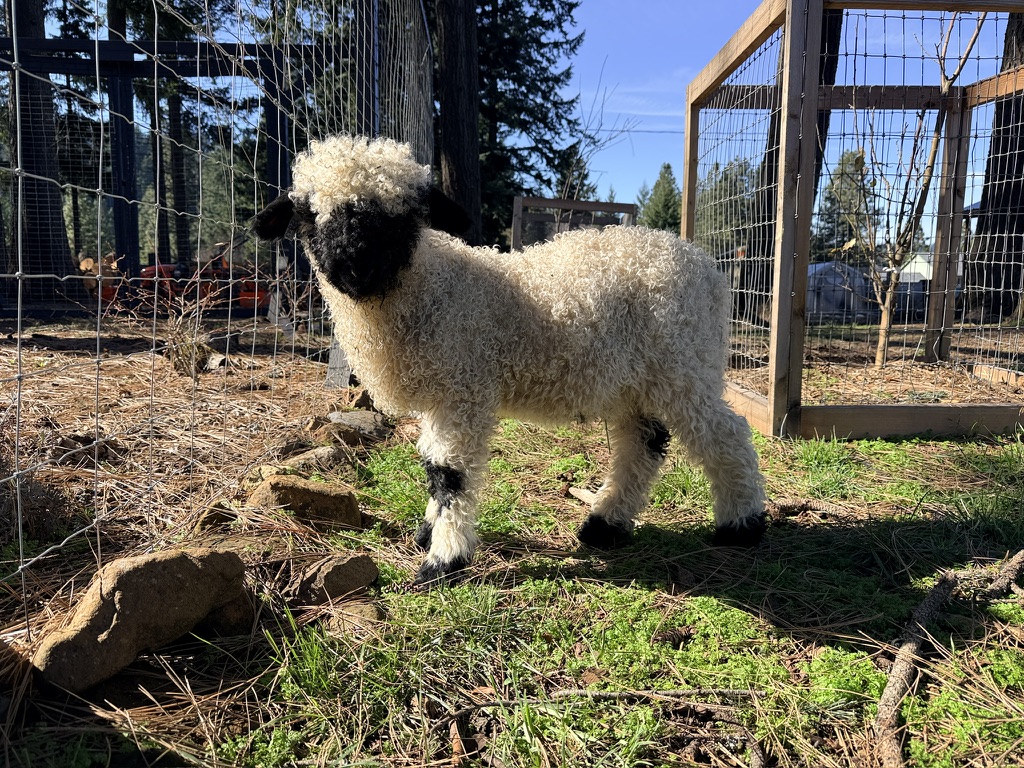
Animals are judged against the Swiss standard: a correctly placed black nose, eye patches, ears, knees, hocks, and socks, plus sound conformation and even fleece. Show- and breeding-quality markings command a premium.
Sex & Purpose
Wethers placed as companions are the most accessible way into the breed. Ewes with registrable lineage cost more, and proven breeding rams sit at the top of the range.
The Real Question: Which Sheep Fits Your Goals?
A trio of companion wethers, a foundation ewe to start breeding up, or show-quality stock — the right answer depends on your land and ambitions. Browse the flock, then read how F1–F5 generations and reservations work.
Pricing Questions, Answered
- How much does a Valais Blacknose sheep cost in the US?
- In the United States, prices depend heavily on breeding-up generation and quality. Companion-quality wethers are the most accessible entry point; high-percentage (F4–F5) and purebred ewes and rams with correct markings and registrable lineage command significantly more. Contact Cloud Cap Valais for current pricing and availability.
- Why are Valais Blacknose sheep so expensive?
- The breed is rare outside Switzerland, and true-to-type animals in North America are built through a multi-year breeding-up program using imported fullblood genetics. Small supply, high demand since the breed's television fame, and the years of selective breeding behind each animal all factor into price.
- What affects the price of a Valais Blacknose sheep?
- Sex, age, breeding-up generation (F1 through F5 and fullblood), quality of black markings and conformation against the Swiss standard, fleece quality, and registrable lineage. A wether placed as a companion is priced very differently from a breeding-quality F5 ewe.
- What ongoing costs should I budget for Valais Blacknose sheep?
- Beyond purchase price, budget for quality hay and minerals, twice-yearly shearing, hoof trimming, parasite management, vaccinations, veterinary care, secure fencing, and predator protection. Because sheep are flock animals, plan costs for a minimum of three animals, not one.
The Farm Journal
News from the Pasture
Follow along with lambing season, show results, and daily life with our Valais Blacknose flock. A few emails a year — no spam, ever.
No spam, ever. Unsubscribe anytime. Read the Journal